
Anyone who’s ever dealt with head lice will be painfully aware just how much time and energy it takes to get rid of them. Small wonder, then, that it’s every parent’s worst nightmare to have their children catch lice at school.
Sadly, head lice are a prolific problem, and one more difficult to avoid than you might think. This is especially true when school returns after the holidays and children have been mixing with one another during summer.
It starts with one or two children itching their scalps and escalates from there. Before you know it, the whole family is having to be wary of contracting lice.
Then comes the lice removal cream, with is no one’s idea of a good time. It can be sore, takes time out of your day and there’s no guarantee that once the lice are gone they’ll stay gone.
The spread of lice
Commonly it’s children who ensure lice spread so far, so quickly. According to the Care Guidebook, kids are at greatest risk during the summer months. When school starts up again, the lice then have the ideal conditions in which to thrive.
It’s important to remember that lice can neither jump nor fly, but instead spread by climbing across hairs.
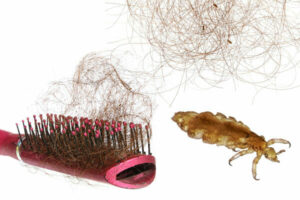
A common misconception is that lice can be spread through brushes and hats. Care Guide, however, state that there’s a low risk of this happening, as lice that have fallen out of hair are considerably weakened.
How to detect lice
Lice, though capable of causing itching and discomfort, are not deadly. That said, they can become a big problem fairly quickly. According to Care Guide, symptoms – including an itching scalp – will often appear 4-6 weeks after you’ve been infected.
To spot lice, simply examine one’s scalp. Lice are one to three millimeters in length, long and translucent, and usually vary in color between gray, brown, black and red. The best method of confirming lice is to use a lice comb and carefully comb the hair from back to front. Lice should drop off into the sink.
Detecting lice eggs
In actual fact, it can be easier to detect lice eggs than the lice themselves. Eggs are to be found near the scalp and can be dark – if lice are still inside them – or lightly colored if the eggs are hatched. The eggs are also a millimeter in length.
Care Guide says to keep in mind that you should not begin treatment if you find empty eggs, only if there is a living lice found in your hair. The eggs disappear themselves as your hair grows out, or you can alternatively comb them out.
So, how do you treat lice? Below, I’ve listed a method that’s cheap, free of chemicals and ensures children don’t have to suffer for long.
Treatment against lice
Sure, lice shampoo can help, but it doesn’t guarantee to get rid of lice altogether. You often need to treat the whole family to two rounds, which can be expensive and time-consuming – the hair needs to be thoroughly combed to get rid of every egg.
I’ve found an alternative method, however, one coming from Healthy Life Center. It’s effective, and negates the need to expose yourself or your children to strong chemicals.
What you’ll need:
A lice comb
Mouthwash
White vinegar
Shower cap or plastic bag
A towel
What to do:
1. The first thing to do is make use of the mouthwash, since lice dislike the strong smell. Wet the hair with this, before covering it with a shower cap or plastic bag. Let this stand for an hour.
2. After an hour, rinse out your hair and soak it in white vinegar instead. The vinegar actually helps to get rid of the eggs. After the hair has been covered, let it sit for an hour again.
3. Wash your hair with regular shampoo and comb it with a lice comb.
4. To lessen the chance of your child picking up lice at school, spray their hair lightly with mouthwash. This can deter lice from opting to call your child’s head a home.
Do you want lice to stay away?
Share this article so that your family and friends can share this useful tip. We’ll keep our fingers crossed that it works for you, too!