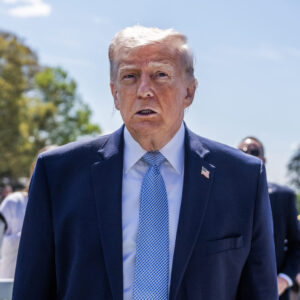
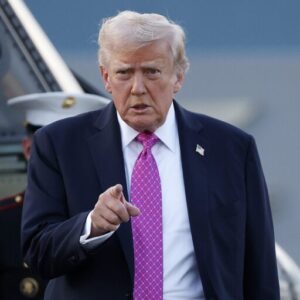
The decision landed with force, but its meaning remains contested. With a single order, Donald Trump moved against two former officials—Chris Krebs and Miles Taylor—reigniting unresolved tensions over the 2020 election and the boundaries between accountability, dissent, and political power.
For supporters of the move, the action was framed as long-overdue correction: a challenge to figures they believe shaped public trust through selective disclosure. For critics, it appeared retaliatory, deepening concern that institutional disagreement is increasingly treated as disloyalty. What is clear is that the order carried consequences beyond the individuals involved, unsettling confidence in the neutrality of democratic processes.
In the background, references to classified assessments and internal warnings circulated—suggesting unresolved vulnerabilities and disagreements that never fully reached public view. These whispers have fueled speculation about whether stability was prioritized over transparency, or whether restraint itself was the responsible choice in a moment of national strain. None of these claims, however, have been substantiated in a way that resolves the dispute.
Krebs, once widely cited for calling the 2020 election “the most secure in U.S. history,” has become a focal point in this reframing. To some, his statement represents professionalism under pressure; to others, it now symbolizes an institutional instinct to close ranks rather than air uncertainty. Taylor’s role has been similarly reinterpreted. Known for his anonymous critique of the administration from within, he is now viewed by detractors less as a whistleblower than as an insider whose actions warrant renewed scrutiny.
What emerges is not a single truth, but a collision of narratives about legitimacy and trust. The episode underscores a deeper struggle over who defines credibility in American democracy—and whether disagreement inside government is evidence of weakness, or a sign of its functioning.
The lasting impact may not rest on the fates of two men, but on how institutions absorb conflict without breaking. Democracies depend on confidence that disputes are adjudicated through process rather than power alone. When actions blur that line, the damage is often cumulative, felt less in one moment than over time.
In the end, the question is not simply whether the order was justified or excessive. It is whether the country can sustain disagreement without turning it into rupture—and whether transparency, restraint, and accountability can coexist without being weaponized against one another.