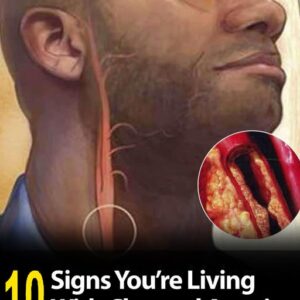
A heart attack often seems like it comes out of nowhere, but your body may give you subtle warning signs one month before an attack. These early symptoms, frequently mistaken for stress, fatigue, or even indigestion, are begging for your attention and recognizing them could save your life!
According to the Centers for Disease Control (CDC), one person dies of cardiovascular disease every 33 seconds, making heart disease the leading cause of death for men and women.
“A heart attack, also called a myocardial infarction, happens when a part of the heart muscle doesn’t get enough blood,” the CDC writes. “The more time that passes without treatment to restore blood flow, the greater the damage to the heart muscle.”
But a recent study – published in the National Library of Medicine – explains that some symptoms are present one month before the attack, giving people ample time to get medical help.
Let’s review some of these symptoms so you can identify when you’re having heart-related issues.
Unusual fatigue
Feeling tired after a long day is normal, but extreme, unexplained fatigue? That could be a warning sign. Many women report feeling drained weeks before a heart attack – sometimes even without any chest pain.
Warning signs:
You’re exhausted even after a full night’s sleep.
Simple tasks (like walking or climbing stairs) leave you unusually drained.
Sudden, severe fatigue that doesn’t improve with rest.
Many people dismiss this as stress or overwork, but if you notice this persistent tiredness, especially paired with other symptoms, don’t ignore it.
Shortness of breath
If you suddenly feel like you can’t catch your breath, even without exercise or exertion, your heart could be struggling.
Warning signs:
You’re gasping for air after light activity (or even while resting).
You feel lightheaded or dizzy along with breathlessness.
Lying down makes breathing harder.
This symptom is frequently mistaken for anxiety, asthma, or lack of fitness, but sudden breathlessness could indicate a heart attack in progress.
Chest pain
Chest pain is the most well-known heart attack symptom, but it doesn’t always show up the way you expect.
Warning signs:
A mild tightness, squeezing, or pressure in the chest.
The pain may come and go rather than being constant.
“Heartburn, also called indigestion,” explains the Mayo Clinic.
For women, it doesn’t always feel like the classic “elephant on the chest” sensation that men often describe. It’s often less intense, making it easier to overlook or attribute to acid reflux.
Pain in the back, neck, jaw, or shoulders
Women are more likely than men to experience pain in the upper body rather than just the chest.
Warning signs:
Dull, aching pain in the jaw, back, or shoulders.
Discomfort that spreads down one or both arms.
The pain may come and go or wake you up at night.
This kind of pain is often misdiagnosed as muscle strain or arthritis, delaying proper treatment.
Nausea, indigestion, or stomach pain
Stomach-related symptoms can be a major sign or a heart attack, which is why it’s frequently mistaken for food poisoning or the flu.
Warning signs:
Nausea or a sick feeling in your stomach.
Unexplained vomiting or intense indigestion.
A heavy, uncomfortable sensation in the upper abdomen.
Since these symptoms mimic acid reflux or stomach bugs, people make the critical error of ignoring them.
Cold sweats and dizziness
A sudden wave of cold sweat (not caused by heat or exertion) could be your heart trying to warn you.
Warning signs:
Profuse sweating that seems out of nowhere.
Feeling clammy, lightheaded, or faint.
A sensation similar to a panic attack.
Sweating heavily while at rest is not normal – it could signal a heart attack, especially if paired with other symptoms.
Sleep disturbances
People, especially women, who experience heart attacks often recall having poor sleep leading up to the event.
Warning signs:
Difficulty falling or staying asleep.
Waking up feeling anxious or breathless.
Night sweats or discomfort disrupting sleep.
While sleep issues can have many causes, persistent disturbances could indicate an underlying heart problem.
Heart palpitations
Feeling like your heart is fluttering, racing, or skipping beats could signal more than just stress or too much caffeine.
Warning signs:
A rapid or irregular heartbeat.
A feeling that your heart is pounding in your chest.
Dizziness or weakness along with the palpitations.
While occasional palpitations are normal, frequent or unexplained irregular heartbeats could be a sign of heart disease.
If you experience any of the symptoms above – especially if they come on suddenly or feel unusual – contact your healthcare provider immediately.
Listen to your body, trust your instincts, and never ignore unusual symptoms. Please let us know what you think of this story and then share it with all your friends – you might be saving someone’s life!