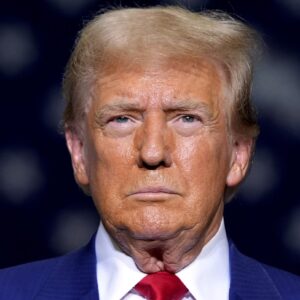
In a move that has sent shockwaves across political circles, former President Donald Trump signed a series of executive orders on Thursday, including one granting clemency to pro-life activists imprisoned during President Biden’s administration. This bold action highlights Trump’s ongoing commitment to addressing what he and his supporters describe as “politically motivated” prosecutions. The decision, widely debated across the political spectrum, aligns closely with Trump’s campaign promise to review cases involving individuals he believes were unjustly targeted.
Pro-Life Activists Pardoned
One of the most notable aspects of Trump’s recent actions involves pardoning several pro-life activists who faced charges under the Freedom of Access to Clinic Entrances (FACE) Act. According to sources, these individuals had been involved in peaceful demonstrations advocating for the sanctity of life. These pardons come ahead of the 52nd annual March for Life, a significant event for the pro-life community that takes place in Washington, D.C., each year. The timing underscores Trump’s alignment with the movement and his determination to prioritize its concerns.
Senator Josh Hawley of Missouri took to social media to express his support, stating, “I hope President Trump will shortly pardon the pro-life prisoners unjustly targeted & jailed by the Biden Administration. They deserve to be free.” This sentiment echoes a broader call within conservative circles to push back against what many perceive as selective enforcement of laws targeting their activism.
Addressing the FACE Act
Trump’s pardons coincide with renewed legislative efforts to repeal the FACE Act, a federal law initially enacted to protect access to reproductive health services. Senator Mike Lee of Utah and Representative Chip Roy of Texas have introduced bills in their respective chambers aimed at dismantling the law. Lee stated, “While President Trump is stopping these outrageous prosecutions, we should ensure that no future administration has the ability to persecute Americans through unequal application of the law.”
The FACE Act has long been a point of contention between pro-life advocates and abortion rights supporters. Proponents argue that the law is essential for safeguarding access to reproductive healthcare, while critics contend that it has been weaponized against individuals exercising their First Amendment rights.
Details of the Pardons
Trump’s executive order provides clemency to approximately 1,500 individuals connected to various politically charged cases, including the January 6 Capitol riot and pro-life demonstrations. For the pro-life activists, this includes Lauren Handy, John Hinshaw, Jonathan Darnell, Herb Geraghty, Jean Marshall, Joan Bell, Paulette Harlow, Bevelyn Williams, Heather Idoni, and Calvin Zastrow, all of whom faced prison sentences ranging from six months to nearly five years.
Many of these individuals were convicted for their roles in protests that involved praying, singing hymns, and forming blockades at abortion clinics. For instance, a 2020 protest at a late-term abortion facility in Washington, D.C., saw activists link arms and use chains to block access to the clinic. Other demonstrations occurred in Tennessee and New York City, with participants advocating for women to reconsider their decisions about abortion.
Among those granted clemency is Heather Idoni, a 59-year-old grandmother who expressed her longing to reunite with her family after serving over a year in prison. Similarly, 89-year-old Eva Edl, a survivor of a World War II-era concentration camp, faced potential sentencing exceeding a decade for her involvement in a Detroit protest. Edl’s story has drawn significant public attention, underscoring the human impact of these prosecutions.
A Campaign Promise Fulfilled
Trump’s actions also extend to individuals charged in connection with the January 6 Capitol riot. During his campaign, he frequently criticized the Biden administration for what he described as a “witch hunt” against political opponents. “We will rapidly review the cases of every political prisoner who’s unjustly victimized by the Biden regime,” Trump vowed at rallies, pledging to “get them out of the gulags and back to their families.”
While his critics argue that such measures set a dangerous precedent by undermining the rule of law, Trump’s supporters view these actions as a necessary corrective to perceived injustices. The move reinforces Trump’s narrative of fighting against institutional overreach and championing the rights of his base.
Broader Implications
The pardons have ignited debate about the use of executive clemency and its implications for justice and accountability. Advocates for reproductive rights decry the decision, arguing it sends a message that obstructing access to healthcare is acceptable. Conversely, Trump’s supporters argue that the individuals involved were exercising their constitutional rights and were unfairly targeted for their beliefs.
The legislative push to repeal the FACE Act adds another layer to the controversy. Should these efforts succeed, they would mark a significant shift in federal policy regarding reproductive healthcare access and protest activities. Critics warn that such a repeal could embolden more aggressive tactics by activists, potentially escalating tensions at clinics nationwide.
A Divisive Legacy
Trump’s decision to grant clemency to pro-life activists and January 6 defendants reflects his broader strategy of appealing to his political base while challenging the policies of the Biden administration. While the long-term impact of these actions remains uncertain, they undeniably reinforce Trump’s position as a polarizing figure who is unafraid to take bold, controversial steps.
For the individuals and families directly affected by these pardons, the relief is immediate and deeply felt. However, the broader societal implications will likely fuel debate for years to come, shaping conversations about justice, activism, and the limits of executive power.