Insect bites can cause discomfort regardless of their type, but being able to distinguish between various insect bites can be essential, especially for individuals with allergies. Recognizing these bites could potentially be life-saving. Provided below is a compilation of ten prevalent insect bites to assist you in preparing for possibly hazardous scenarios.
1. Mosquito
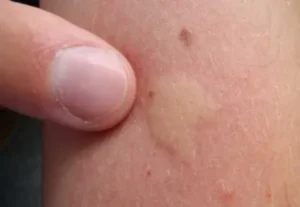
Mosquito bites may manifest in two ways, depending on the duration of the mosquito’s feeding. They could appear as a small, circular bump or a larger, elongated welt. While they are always itchy, scratching them will only exacerbate the irritation.
2. Flea
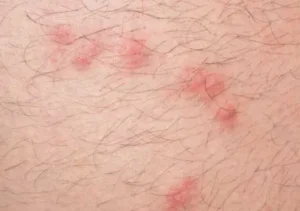
Flea bites are easily identifiable as fleas often bite multiple times in the same area. The bites are small, solid, red, and exceedingly itchy.
3. Lice
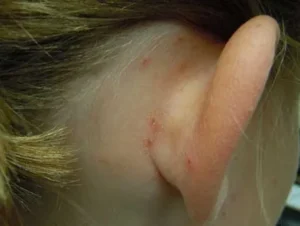
Head lice bites may resemble flea bites but are commonly found on the scalp, back of the neck, or behind the ears, distinguishing them from flea bites.
4. Bedbug

Bedbug bites bear a resemblance to mosquito bites but are typically more red, itchy, and arranged in a zig-zag pattern. If you suspect bedbugs, promptly contact an exterminator to prevent an infestation.
5. Tick
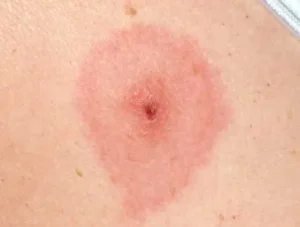
Tick bites are recognizable by a red ring around a darker red or black dot. Proper tick removal is crucial—use tweezers after applying Vaseline or rubbing alcohol. It is also advisable to preserve the tick in a sealed container and have it examined by a doctor for diseases such as Lyme disease or Rocky Mountain spotted fever.
6. Wasp
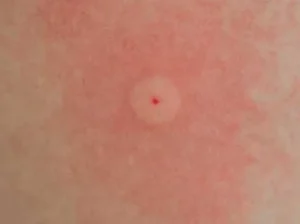
Wasp stings resemble mosquito bites but with a more distinct central mark. The sting can be painful and induce swelling and redness in the area.
7. Hornet
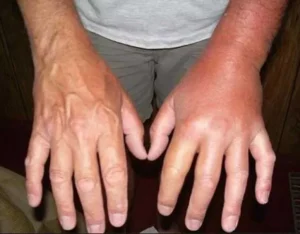
Hornet stings are larger and more agonizing than wasp stings, often resulting in severe swelling and redness. If stung, it is crucial to monitor for signs of an allergic reaction.
8. Bee
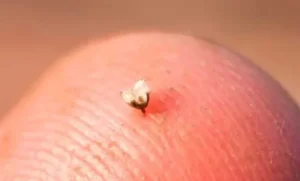
Bee stings are distinctive as the stinger remains in the skin. If stung by a bee, carefully extract the stinger with tweezers and cleanse the area to prevent infection.
9. Red Ant (Fire Ant)
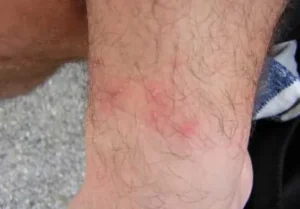
Fire ant bites can resemble flea bites but are instantly painful rather than itchy. They often develop pustules and can be quite agonizing if multiple bites occur.
10. Spider
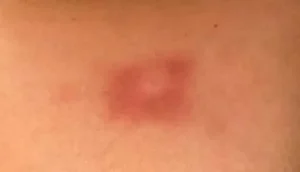
Spider bites vary depending on the species but are typically red, firm, and either itchy or painful. In certain instances, you may observe two small puncture marks from the spider’s fangs.
Being able to recognize these bites can aid in prompt response, whether it involves treating the bite or seeking medical attention.
Do not hesitate to SHARE this article with your loved ones!