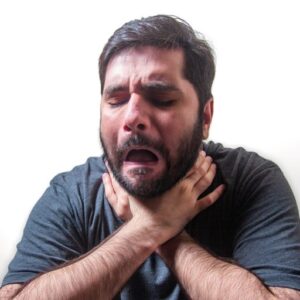
It’s the sound no one warns you about – but once you hear it, you never forget it. Known as the “death rattle,” the sound is a “biological lullaby” – a sign that within 23 hours, the body will fall into a permanent slumber.
If you’ve ever sat beside a loved one as they took their final breath, you may have heard a sound that left you shaken – a wet, rattling noise that seemed like choking or gasping for air.
It’s heartbreaking to witness, but according to hospice nurse Julie McFadden, it’s not a sign of struggle. In fact, it’s one of the body’s natural ways of saying goodbye – a peaceful signal that the end is near, and that your loved one is gently slipping away, not suffering.
“The death rattle, it is the most normal thing and to be expected at the end of life. However, if you’re not used to hearing it, it can feel like the scariest thing you’ve ever heard,” the Los Angeles-based nurse explained in a Facebook clip.
“So many people have written to me saying hearing the death rattle traumatized them. [But] I feel like if we had been educated about this before hearing it and knowing what it was, it may help to dampen that fear a bit,” added the palliative care nurse who authored the book, “Nothing to Fear: Demystifying Death To Live More Fully.”
What is the death rattle?
According to Healthline, “A death rattle is a crackling, wet sound that may accompany each breath. It occurs when a person is nearing the end of their life and may not be strong enough to clear the secretions from their throat.”
It’s a physical part of the natural dying process – like the slowing of the heartbeat or the cooling of the skin – that occurs when a person is too weak or unconscious to clear the natural buildup of saliva and mucus in the throat.
When the swallowing reflex fades, air passes over the fluid, causing a distinctive rattling sound that McFadden clarifies is “not causing your loved one pain or suffering.”
For the family
The death rattle can be a deeply upsetting sound for unprepared loved ones and treatment is “not for the dying person,” Dr. Paulien Moyaert said in a YouTube clip, urging end of life awareness to ease the suffering of those who are present.
Oftentimes, palliative experts will use medications to reduce the rattle if families find it distressing, though it’s not always necessary.
“We often give drugs to try dry up the airways and soften the death rattle. But when we do it, it’s not for the dying person but for their family,” Moyaert explained.
And suctioning is counterproductive: “We don’t usually suction it…because the suctioning will create more saliva. It feels so scary when you hear it for the first time,” McFadden said.
Less than 23 hours to live
It’s “a sign that a person is approaching the end of his life. A person usually lives for 23 hours after the death rattle begins,” Moyaert explained in the clip that has almost 800,000 views.
“It is important to know that this is not distressing for the patient because they are non-responsive and deeply asleep at this point. It’s more uncomfortable for those hearing it than the person experiencing it.”
Meanwhile, Healthline encourages people to hold “your loved one’s hand,” and tell them how much they mean to you: “Just being there can be important to a person at the end of their life.”
‘Nothing to fear’
By raising awareness, doctors and nurses are making death less taboo, more transparent, and, in many ways, more peaceful for those left behind.
And those people were quick to share their own powerful, emotional stories from the bedside.
“This was invaluable information as my mother passed away this morning. She started making this noise yesterday, and it was so distressing to hear. I’m thankful to know she was not in pain,” writes one user in the comments section of Moyaert’s YouTube clip.
“I always thought my mum was choking when she died. I finally now believe she was not in pain. Thank [you],” another netizen commented on McFadden’s social media, where she shared a real-life sound bite of the death rattle.
“That’s the death rattle? I just sat there all afternoon with my dad, so he didn’t choke. I wish the ICU explained more to me,” shared a third.
“It may not be painful for them but it was truly terrifying for me to [hear],” adds another.
Biological lullaby
Encouraging loved ones to think of the death rattle as a biological lullaby instead of a warning siren, McFadden adds, “It’s a sign we are close. The body is doing what it’s supposed to do.”
The death rattle may sound haunting – but when understood, it becomes a final reassurance that nature is doing its job.
Rather than seeing it as a sound of dread, we can learn to hear it as a gentle exhale – a sacred moment marking the end of a beautiful life story.
Did you know about the death rattle? Please share your experiences with us and then share this story so others will also know that though the death rattle sounds terrifying, loved ones are not in pain or suffering.