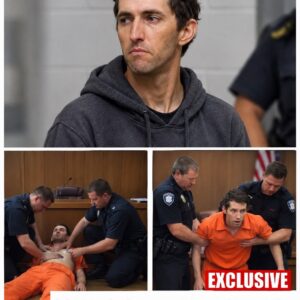
A single number can feel like a life sentence for an entire community.
Four hundred fifty‑two years.
When that number is handed to someone barely old enough to vote, the courtroom falls silent—but the arguments outside never stop. Is this justice, or a life written off before it’s truly begun?
A sentence measured in centuries is less about time than about meaning. Courts stack years to mark each victim, each act, each life altered beyond repair. For many families, that vast number is the first moment they feel the system truly saw the depth of their loss. It says: this was not one mistake, but a series of harms that can never be undone. Yet when the person receiving that sentence is young, another reality presses in: the human brain is still changing, identities are still forming, and the person in handcuffs today may not be the person who exists decades from now.
That tension—between irreversible harm and the possibility of human change—has no easy resolution. Some argue that opening the door to review or parole betrays victims; others insist that refusing to reconsider a youth’s sentence decades later denies science, mercy, and hope. In the end, a 452‑year sentence forces a harder question than “how long”: it asks what we believe punishment, safety, and redemption should look like when a single lifetime must somehow answer for everything.