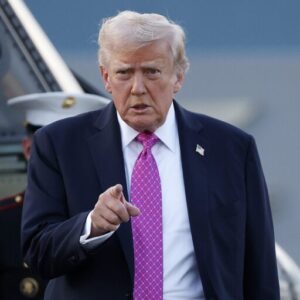
Since returning to the presidency, Donald Trump has once again made immigration control and border enforcement central to his administration’s agenda. Earlier this month, the U.S. government announced a major expansion of travel restrictions, adding countries to a growing list of nations facing full or partial bans on entry. With 39 countries now affected, this represents one of the broadest travel restriction regimes in recent U.S. history. The White House frames the policy as a national security measure, aimed at ensuring travelers do not pose threats, while supporters argue it pressures foreign governments to strengthen border controls. Critics warn of diplomatic tensions, economic disruption, and collective punishment of civilians.
Full travel bans now target countries including Afghanistan, Burma, Chad, Congo, Eritrea, Haiti, Iran, Libya, Somalia, Sudan, Yemen, and Syria, among others. Citizens from these nations face comprehensive visa suspensions with limited exceptions. Partial bans affect countries such as Angola, Nigeria, Tanzania, and Zambia, restricting certain visa categories. Officials assert that these measures respond to deficiencies in document security, information sharing, and compliance with U.S. standards. Yet governments and advocacy groups criticize the lack of transparency in how countries are evaluated.
The policy has prompted swift retaliatory measures. Mali and Burkina Faso announced reciprocal restrictions on U.S. citizens, citing reciprocity and national sovereignty. Niger has gone further, implementing a permanent ban on U.S. visa issuance. Chad had previously suspended visas for Americans. These moves threaten to complicate U.S. strategic partnerships and affect travelers, aid workers, journalists, and businesses abroad.
The Trump administration has also introduced stricter biometric data collection at U.S. airports, including facial recognition and potential fingerprint or DNA collection for non-citizens. While aimed at improving border security, critics express concern over privacy and data retention.
European governments, including the U.K. and Germany, have issued warnings to their citizens, noting that visas or ESTA approval do not guarantee entry. Internal memos suggest the U.S. may extend restrictions to additional countries.
Overall, these travel bans, reciprocal measures, and expanded biometric controls signal a profound shift in global mobility, reshaping international relations and challenging predictability for travelers and governments alike.