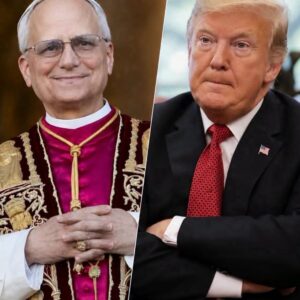
President Donald Trump’s recent executive order, ostensibly aimed at combating anti-Semitism, has raised serious concerns about its implications on human rights, particularly its effects on international students and individuals advocating for the Palestinian cause. This order mandates the deportation of international students who engage in demonstrations perceived as anti-Israel, a move that starkly contravenes the principles of free speech and the right to protest.
The executive order aligns with a broader agenda that seems more focused on silencing dissent against Israel rather than genuinely tackling anti-Semitism. By equating pro-Palestinian activism, the administration leverages immigration laws in a way that many view as a direct attack on free speech. The policy to potentially revoke visas and deport non-citizen students who participate in such protests not only disrupts the educational paths of these individuals but also instills a climate of fear and suppression on campuses across the United States.
Critics argue that this approach undermines the democratic values of free expression and peaceful assembly, cornerstones of American society. By stifling voices that dare to criticize Israel, the order could further polarize opinions and hinder any genuine dialogue about the Israeli-Palestinian conflict. This heavy-handed tactic may also tarnish America’s image as a bastion of free speech, raising alarms among human rights advocates globally.
The use of immigration law to suppress political dissent reflects a troubling trend of using national security as a pretext to curtail civil liberties. Such actions not only jeopardize the rights of international students but also pose a broader threat to the principles of academic freedom and open debate. The executive order’s conflation of anti-Israel sentiment with anti-Semitism is seen by many as an attempt to police thought and speech, undermining efforts to address the real and pressing issue of anti-Semitism through meaningful and constructive ways.
This policy does not just affect those who protest; it sends a chilling message to all students and scholars who might wish to express dissenting views on contentious issues. The backlash against this order highlights the need for policies that protect the rights of all individuals to express their views without fear of reprisal, supporting a truly open and inclusive society.