In the age of smart homes and automated gardening systems, there lies a certain allure in the tangible connection between hand tools and home maintenance. Among these traditional tools is the manual edger, a simple yet fascinating implement that proves that sometimes the old ways can still be the coolest.
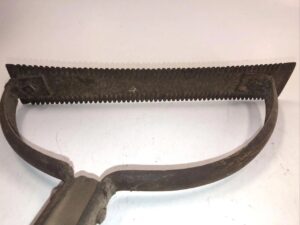
A manual edger, also known as a step edger or half-moon edger, is a testament to the bygone era when weekend yard work was as routine as Sunday dinner. Its design is a marvel of simplicity: a T-shaped tool with a serrated semi-circular blade attached to a wooden handle about three feet in height. This blade, typically crafted from sturdy metals such as iron or steel, is what gives the manual edger its distinctive edge—both literally and figuratively.
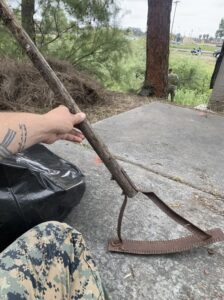
In the hands of a dedicated gardener, the manual edger becomes an extension of the body. The process is rhythmic and meditative. You place the half-moon blade against the turf’s edge, step down firmly to slice through the grass, and pull back to reveal a crisp line. It’s a physical activity that engages the body, requiring a dance of balance and precision that no machine can replicate.
The appeal of the manual edger isn’t just in its functionality but also in its ability to connect us with the physical aspect of home improvement. There’s a sense of accomplishment that comes from laboring over one’s lawn and garden. The sweat on your brow and the dirt under your fingernails become badges of honor, telling stories of personal effort and care invested into the land.
Moreover, in a society that increasingly seeks mindfulness and a break from the digital world, the manual edger offers a form of escape. It’s a way to unplug, enjoy the outdoors, and engage with the environment in a way that is both productive and restorative. The rhythmic motion of edging can be a therapeutic exercise, allowing thoughts to flow freely, accompanied by the satisfying sound of the blade slicing through the soil.

The environmental impact of using a manual edger cannot be overstated. In contrast to gas or electric edgers, the manual edger produces no emissions, operates silently, and demands no other resources than human energy. It’s a sustainable choice for the eco-conscious homeowner who takes pride in reducing their carbon footprint.
The robust construction of tools like the manual edger means they can last for decades, often outliving their modern counterparts. The worn handle and rusted blade are not merely signs of age but emblems of the countless hours of labor and care they have facilitated. These tools are not disposable; they are enduring, capable of being sharpened, repaired, and passed down through generations.
The manual edger embodies the coolness of doing things the old-fashioned way, of engaging with the land and respecting the rhythms of nature. It reminds us that not all progress needs to be powered by technology. Sometimes, the most fulfilling work is done with our hands, with tools that require nothing more than human strength and dedication. As we advance into an increasingly automated future, it is worth remembering the value and joy of physical labor, and the manual edger stands as a symbol of that enduring legacy.