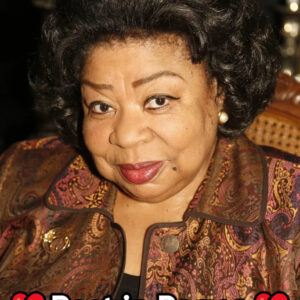
A recent and surprising development in the entertainment sector has seen Roseanne Barr, a name known for her candor and controversy, make headlines once more. This time, it’s because she decided not to include the renowned actor Robert De Niro in her most recent TV production. A simple yet provocative message, “No woke people allowed here,” was used to highlight the daring action.

Since the late 1980s, Roseanne Barr has been well-known, mostly because of her sitcom of the same name, “Roseanne,” which pioneered a new way of depicting working-class America. Her path hasn’t been easy, though, as she’s been embroiled in a number of scandals that led to the cancellation of the 2018 “Roseanne” remake due to a racist remark.

However, actor Robert De Niro, who is admired for his iconic parts and captivating performances, is also well-known for his strong political beliefs and outspoken advocacy for a number of social causes. At first, his involvement in Barr’s project was viewed as a unifying factor in a divisive environment. But now, this partnership has taken a significant turn.
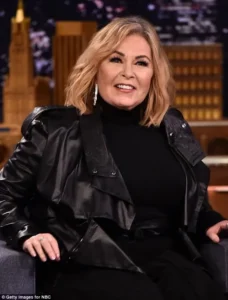
When Barr and De Niro started working on the new program, which was expected to be a ground-breaking endeavor fusing comedy with current social commentary, the seeds of strife were sown. But it quickly became apparent that their ideas for the project were essentially different.
The show’s direction and content, especially how it handled contemporary social and political topics, caused tensions to rise. Barr, who was well-known for her unrestrained approach to comedy and social criticism, sought to maintain her brand of direct and occasionally harsh humor. According to reports, De Niro was advocating for a more nuanced and sympathetic approach because of his well-known support for “woke” culture.
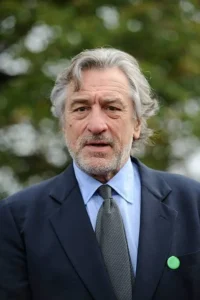
A argument over a specific scene during a screenplay read-through brought the issue to a head and symbolized the larger ideological conflict between the two. Barr reportedly said, “No woke people allowed here,” essentially indicating De Niro’s departure from the program because she felt her artistic vision was being undermined.
The entertainment business has been rocked by this move, which has sparked contentious debates among professionals and on social media. Barr’s supporters commend her for resisting pressure to conform to political correctness and for sticking to her principles. However, she is criticized for being insensitive and unwilling to change with the times.

The controversy has also rekindled discussions about artistic independence, cancel culture, and the place of political correctness in entertainment. Others interpret Barr’s action as a rejection of the value of responsible storytelling in the modern world, while others see it as a protest against a culture of censorship.
Several business insiders have responded to the scandal. While some have criticized the lost chance for a cooperative effort that could have healed divisions, others have defended Barr’s right to creative authority. As they manage the intricate relationship between creativity, audience expectations, and social responsibility, the scenario has also placed producers and network executives in a difficult position.
More than merely a personality conflict, the Barr-De Niro dispute is a reflection of society’s larger political and cultural divides. It emphasizes how difficult it is for artists and creators to strike a balance between their artistic expression and social sensibility.
In light of current events, this occurrence poses important queries on the nature of comedy and art. How far can artists go without going overboard when tackling delicate subjects? Should art be an unrestricted expression of the creator’s vision, or is there an obligation to adhere to social norms?
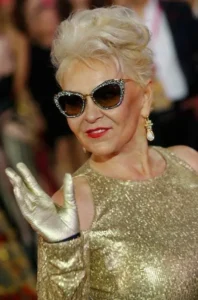
The conflict has brought to light how challenging it is to promote productive discourse in a setting that is becoming more and more divided. Barr and De Niro’s argument serves as an example of how difficult it is for people with different opinions to come to an agreement, especially in the entertainment industry, which frequently mirrors and intensifies social tensions.
This incident also highlights how entertainment shapes and reflects social standards. Films and television programs are a part of the larger cultural discourse; they do not live in a vacuum. Consequently, the choices made by artists like as Barr can have a significant impact on the cultural zeitgeist and public opinion.
An important turning point in the continuing discussion about the relationship between art, politics, and society has been reached with the departure of Robert De Niro from Roseanne Barr’s upcoming program. In a world that is changing quickly, it represents the expectations of spectators, the developing nature of comedy, and the responsibilities of artists.
The Barr-De Niro affair will probably be regarded as an important, if contentious, episode in the history of contemporary entertainment as long as the industry and its audience continue to struggle with these problems. The question of whether it promotes greater understanding and communication or deepens divide is still up for debate and has implications that go well beyond the boundaries of a particular television program.